
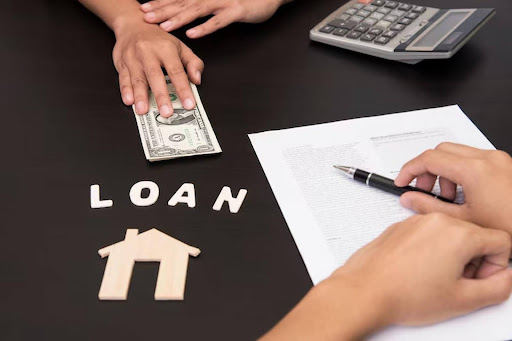
Short-term loans often emerge as seemingly convenient solutions in times of financial strain. They can provide immediate relief with promises of quick cash and minimal hassle. However, the allure of these loans begs the question: are they truly a lifeline or a slippery slope towards long-term financial hardship? This blog post will delve into the complexities surrounding short-term loans, examining their benefits, pitfalls, and potential implications for individuals and communities.
Understanding Short-Term Loans
As the name suggests, short term loans are financial instruments designed to be repaid over a brief period, typically within a few weeks to a few months. They come in various forms, including payday loans, cash advances, and instalment loans. Individuals facing emergencies or unexpected expenses, such as medical bills or car repairs, often seek these loans and may need access to traditional lines of credit.
Impact on Borrowers and Communities
The ramifications of short-term loans extend beyond individual borrowers, affecting families, communities, and the broader economy. For borrowers, the cycle of debt resulting from these loans can lead to financial instability, stress, and decreased well-being. Furthermore, the concentration of payday lenders in low-income neighbourhoods can perpetuate socioeconomic inequalities, draining resources from already marginalised communities.
The Pros and Cons
Pros
- Immediate Access to Funds: Short-term loans offer quick access to cash, providing relief in urgent situations.
- Minimal Requirements: Unlike traditional loans, short-term lenders may have less stringent eligibility criteria, making them accessible to individuals with poor credit or limited financial history.
- Convenience: The application process for short-term loans is typically straightforward, often requiring minimal paperwork and allowing for online or in-person applications.
Cons
- High Interest Rates: One of the most significant drawbacks of short-term loans is their exorbitant interest rates, which can far exceed those of traditional loans. It leads borrowers to pay back significantly more than they initially borrowed.
- Debt Cycle: The short repayment terms of these loans can trap borrowers in a debt cycle, primarily if they cannot repay the loan in full by the due date. It can lead to rollovers or additional borrowing to cover existing debts.
- Predatory Practices: Some short-term lenders engage in predatory practices, targeting vulnerable individuals with deceptive terms and hidden fees, exacerbating their financial difficulties.
Alternatives and Solutions
- Financial Education: Empowering individuals with financial literacy and knowledge of alternative options can help them make informed decisions and avoid falling into the trap of short-term loans.
- Emergency Savings: Building an emergency fund can buffer against unexpected expenses, reducing the need for short-term borrowing.
- Community-Based Alternatives: Community development financial institutions and credit unions offer alternatives to traditional payday lenders, providing affordable small-dollar loans and financial counselling to underserved communities.
Regulatory Environment
- Current Regulations: Many countries have implemented regulations to address the predatory nature of short-term lending. These regulations often include caps on interest rates, limits on fees, and requirements for lenders to assess borrowers’ ability to repay.
- Challenges and Loopholes: Despite regulatory efforts, some short-term lenders find ways to circumvent these regulations, such as operating online or exploiting loopholes in the law. It highlights the ongoing need for robust enforcement and continuous industry monitoring.
- Advocacy and Reform: Advocacy groups and policymakers are crucial in advocating for stronger consumer protections and reforms to curb abusive lending practices. Raising awareness and pushing for legislative changes can create a more equitable lending environment.
Financial Empowerment and Education
- Empowering Borrowers: It is crucial to provide borrowers with the knowledge and tools to make informed financial decisions to mitigate the risks of short term loans. Financial education programs can equip individuals with budgeting skills, debt management strategies, and an understanding of their rights as consumers.
- Promoting Responsible Borrowing: Promoting prudent borrowing practices—such as utilising loans exclusively for necessary expenditures and borrowing no more than one can reasonably repay—can help avert debt cycles.
- Addressing Systemic Issues: Financial empowerment initiatives should also address broader systemic issues contributing to financial insecurity, such as income inequality, lack of affordable housing, and barriers to employment and education.
Building Resilient Communities
- Investing in Community Development: Supporting community development initiatives, such as affordable housing, job training programs, and small business development, can strengthen local economies and reduce the need for short-term borrowing.
- Expanding Access to Affordable Financial Services: Increasing access to affordable financial services, including credit union membership, low-cost banking products, and alternative lending options, can provide viable alternatives to traditional short-term loans.
- Fostering Social Support Networks: Building social support networks within communities can provide a safety net for individuals facing financial challenges, offering assistance, advice, and resources to help weather difficult times.
Conclusion
While short-term loans may offer temporary relief in times of crisis, their long-term consequences must be addressed. The high costs and potential for debt escalation underscore the need for caution when considering these financial products. By promoting financial literacy, fostering community-based alternatives, and advocating for regulatory reforms, we can work towards a more equitable economic landscape where individuals can access safe and sustainable solutions in their time of need.
